
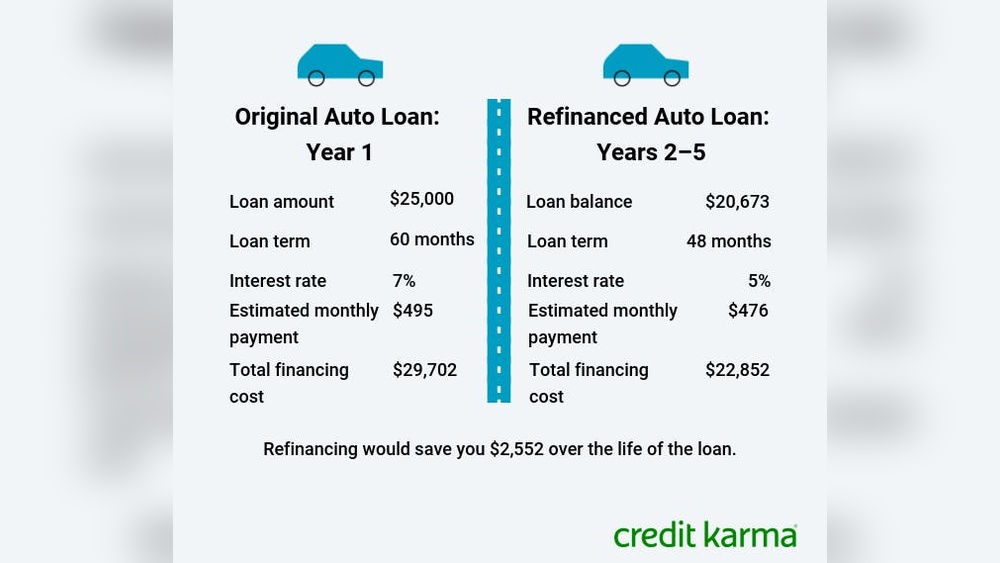
Looking to save money on your car payments? Refinancing your car loan might be the smart move you need right now.
By securing better refinance car loan rates, you can lower your monthly bills, reduce your interest costs, and free up cash for other important expenses. But how do you know if refinancing is right for you, and where can you find the best rates?
Keep reading to discover everything you need to make an informed decision and take control of your car loan today. Your wallet will thank you.
Current Refinance Rates
The national average refinance rates for car loans vary based on credit score and vehicle type. Borrowers with excellent credit typically see rates around 4% to 6%. Those with good credit might find rates near 6% to 8%. Rates increase for fair credit, often between 8% and 12%. People with poor credit may face rates over 12%.
Rates also change depending on whether the car is new or used. New car loans usually have lower rates, often about 1-2% less than used car loans. Used cars carry slightly higher risk, so rates tend to be higher.
| Credit Score | Refinance Rate (New Car) | Refinance Rate (Used Car) |
|---|---|---|
| Excellent (750+) | 4% – 5% | 5% – 6% |
| Good (700-749) | 6% – 7% | 7% – 8% |
| Fair (650-699) | 8% – 10% | 10% – 12% |
| Poor (<650) | 12%+ | 12%+ |
Benefits Of Refinancing
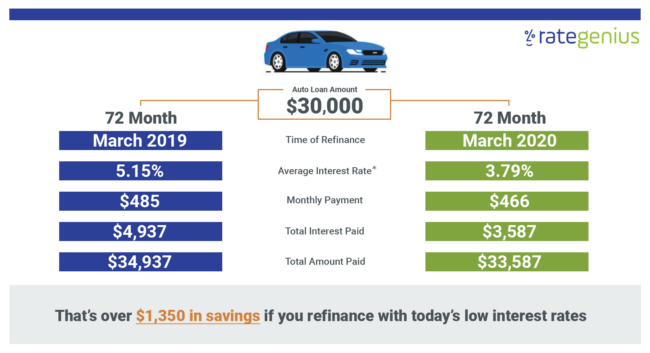
Lower monthly payments make budgeting easier. Refinancing can reduce your car loan payment. This frees up money for other expenses.
Reduced interest costs save money over time. A lower rate means paying less interest overall. This can add up to big savings.
Shorter loan terms help pay off your car faster. You own your car sooner and pay less interest. It may increase monthly payments but reduces total costs.
Factors Affecting Rates
Credit score is a key factor in refinance car loan rates. A higher score usually means lower interest rates. Lenders trust borrowers with good credit more.
Loan amount and term also affect rates. Larger loans or longer terms often come with higher rates. Shorter terms might have lower rates but higher monthly payments.
Vehicle age and condition matter too. Newer cars or well-maintained vehicles get better rates. Older or damaged cars may lead to higher rates because of higher risk for lenders.
Where To Find Rates
Credit unions often offer lower refinance car loan rates than banks. They tend to have flexible terms and personalized service. Membership might be required to apply.
Banks provide a wide range of loan options. Rates can vary based on your credit score and loan term. They have easy online tools to check rates quickly.
Online lenders usually offer fast approval and competitive rates. Their application process is fully digital, making it convenient. Compare multiple offers before choosing.
| Lender Type | Advantages | Considerations |
|---|---|---|
| Credit Unions | Lower rates, flexible terms, personal service | Membership needed, fewer branches |
| Banks | Wide loan options, easy online tools | Rates vary, stricter approval |
| Online Lenders | Fast approval, competitive rates, convenient | Fully online, compare offers carefully |
How To Compare Offers
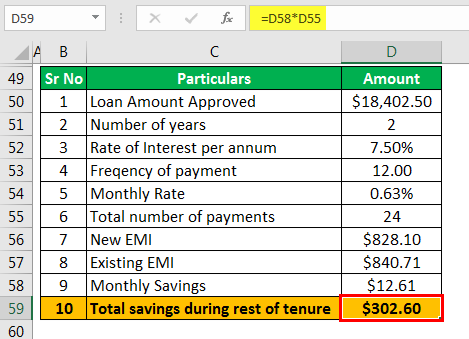
Using refinance calculators helps estimate new monthly payments. Enter your current loan amount, interest rate, and term to see potential savings. These tools compare different offers quickly.
Checking APR and fees is crucial. APR shows the real cost of the loan including interest and fees. Low APR saves money, but watch for extra fees that can increase costs.
Evaluating loan terms means looking at the length and conditions of the loan. Shorter terms may mean higher monthly payments but less interest paid overall. Longer terms lower payments but cost more in interest.
Steps To Refinance
Gathering Loan Information means collecting details about your current car loan. Check the interest rate, loan term, and remaining balance. Knowing this helps compare new offers better. Also, gather your credit score and income proof. These are often needed for refinancing.
Applying for Pre-Approval lets you see if you qualify for a new loan. Submit your loan info and credit details to lenders. Pre-approval shows possible rates and terms. It gives an idea of your monthly payments and total cost before committing.
Completing the Refinance Process happens after choosing the best offer. Review all terms carefully. Sign the new loan documents and pay off the old loan. The new lender then takes over your car loan. Your monthly payment should now be lower or more manageable.
Refinancing With Bad Credit
Refinancing a car loan with bad credit can be tough but not impossible. Some lenders specialize in loans for those with poor credit scores. These options often come with higher interest rates and stricter terms.
Improving your chances of approval starts with checking your credit report for errors. Paying down other debts helps too. A steady income and low debt-to-income ratio make you more appealing to lenders.
Expect higher rates compared to borrowers with good credit. Some lenders may require a co-signer or a larger down payment. Comparing offers from multiple lenders can lead to better terms despite bad credit.

Common Pitfalls To Avoid
Ignoring fees and penalties can cost much more than expected. Some lenders charge early repayment fees or processing fees. Always ask about these before refinancing. Missing these details might lead to paying extra money.
Extending loan terms too long may lower monthly payments. But it can increase the total interest paid over time. Choose a term that balances monthly costs and total interest. Avoid very long terms that trap you in debt.
Hidden costs often appear in fine print. Watch out for application fees, title fees, or insurance costs. These can add up and reduce your savings. Read all documents carefully to find any extra charges.
Top Lenders And Their Rates
Chase Auto Refinance Rates usually start around 3.49% APR. They offer loans for new and used cars. Terms range from 36 to 72 months. Chase is known for a smooth online process and quick approvals.
PenFed Credit Union Offers competitive rates, often as low as 2.99% APR. Members can refinance for new or used vehicles. PenFed provides flexible terms and no application fees. They also have special rates for military members.
| Lender | Starting APR | Loan Terms | Special Features |
|---|---|---|---|
| Chase | 3.49% | 36-72 months | Fast online approval |
| PenFed Credit Union | 2.99% | Flexible terms | No application fees |
| USAA | 3.24% | 24-72 months | Military discounts |
| Wells Fargo | 3.74% | 12-72 months | Wide eligibility |
USAA and Wells Fargo Options provide good rates and flexible terms. USAA serves military families with rates near 3.24% APR. Wells Fargo offers loans starting at 3.74% APR. Both have tools to help estimate savings before applying.
Using Calculators To Save
Estimating monthly payments helps plan your budget well. Enter the loan amount, interest rate, and loan term into the calculator. It quickly shows your expected monthly payment. This simple step avoids surprises later.
Calculating total interest savings shows how much money you keep. Compare your current loan’s total interest with the refinanced loan’s interest. The difference is your savings. Even small rate cuts add up over time.
| Loan Term (Years) | Effect on Monthly Payment | Effect on Total Interest |
|---|---|---|
| Shorter Term | Higher payments | Lower total interest |
| Longer Term | Lower payments | Higher total interest |
Adjusting loan terms helps find the best balance. Choose a term that fits your monthly budget. Also, check how it impacts your total interest paid. This way, calculators guide smarter decisions.
Frequently Asked Questions
What Are The Current Refinance Rates For Cars?
Current car refinance rates typically range from 3% to 7%, depending on credit score, loan term, and lender. Rates vary by location and lender promotions. Check with local credit unions and banks for the most accurate, up-to-date offers tailored to your financial profile.
What Is The 2% Rule For Refinancing?
The 2% rule for refinancing means your new loan’s interest rate should be at least 2% lower than your current rate. This ensures significant savings on interest payments over time.
How Much Would A $30,000 Car Payment Be A Month?
A $30,000 car loan payment varies by interest rate and term. For 5 years at 5% APR, expect about $566 monthly.
How Much Is $40,000 Car Payment For 60 Months?
A $40,000 car loan over 60 months typically costs around $750 monthly, assuming a 5% interest rate. Actual payments vary by rate.
Conclusion
Refinancing your car loan can lower your monthly payments. It might also reduce your interest costs over time. Always compare current rates from different lenders. Check your credit score before applying to get better offers. Remember to read all terms carefully before deciding.
Taking time now can save you money later. Refinancing is a smart choice for many car owners. Consider your financial goals and choose what fits best.
Read More
- Extended Car Warranty Quotes: Save Big with Top Deals Today
- Bad Credit Auto Loans Guaranteed Approval: Drive Today, Pay Later!
- Car Repair Insurance Plans: Ultimate Guide to Save Money Today
- Auto Warranty Companies Comparison: Top Picks for 2026 Savings
- Car Accident Attorney near Me: Trusted Help for Fast Claims
- Best Auto Loan Rates: Unlock Top Deals & Save Big Today
- Vehicle Service Contract Companies: Top Picks for Ultimate Coverage
- Best Car Insurance Quotes Online: Save Big with Top Deals Today
- Cheap Full Coverage Car Insurance: Save Big with Top Tips Today
- Truck Accident Lawyer near Me: Expert Help for Your Case Today